prijava
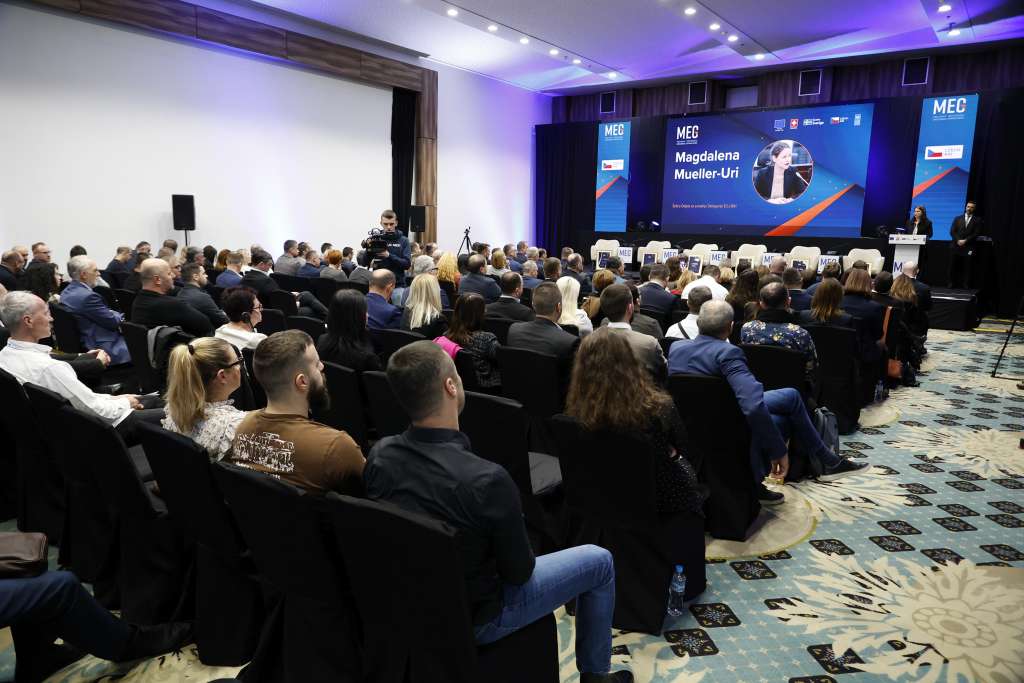
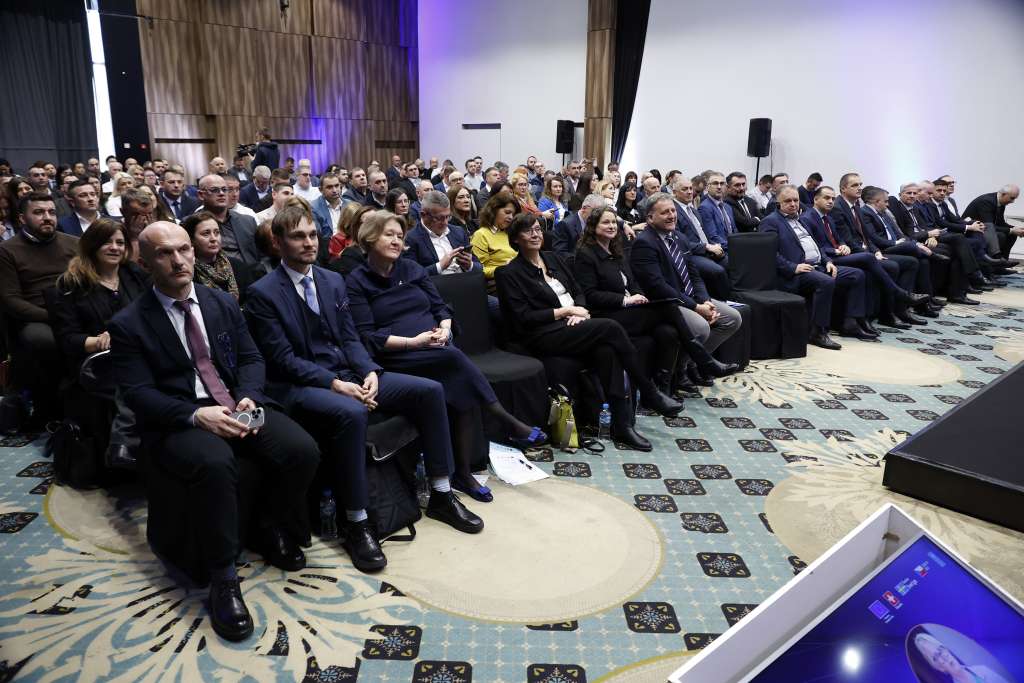
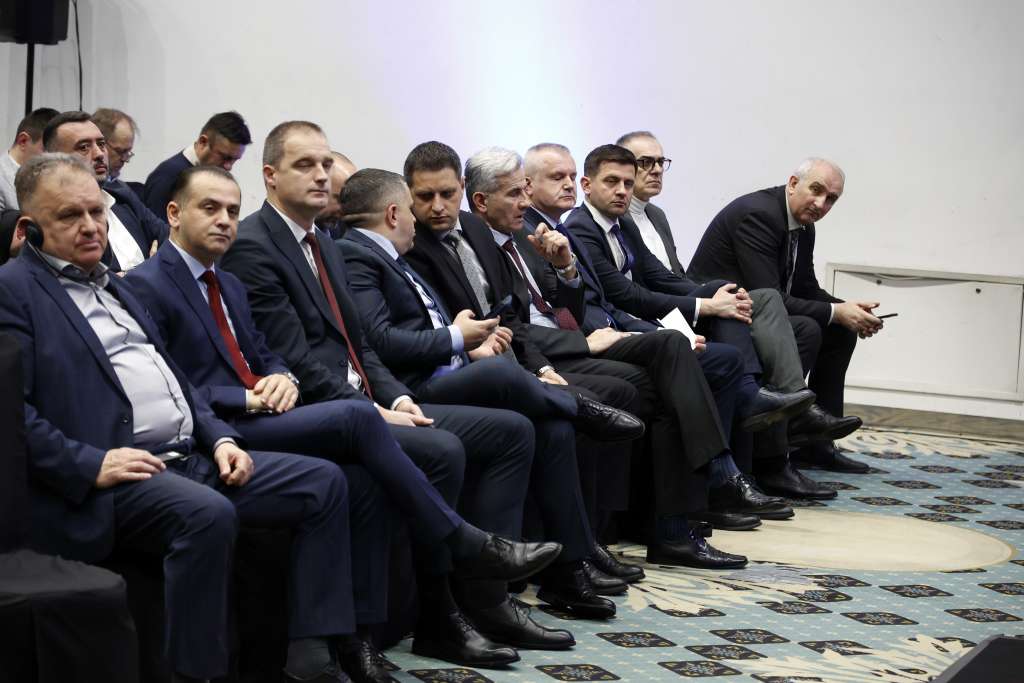
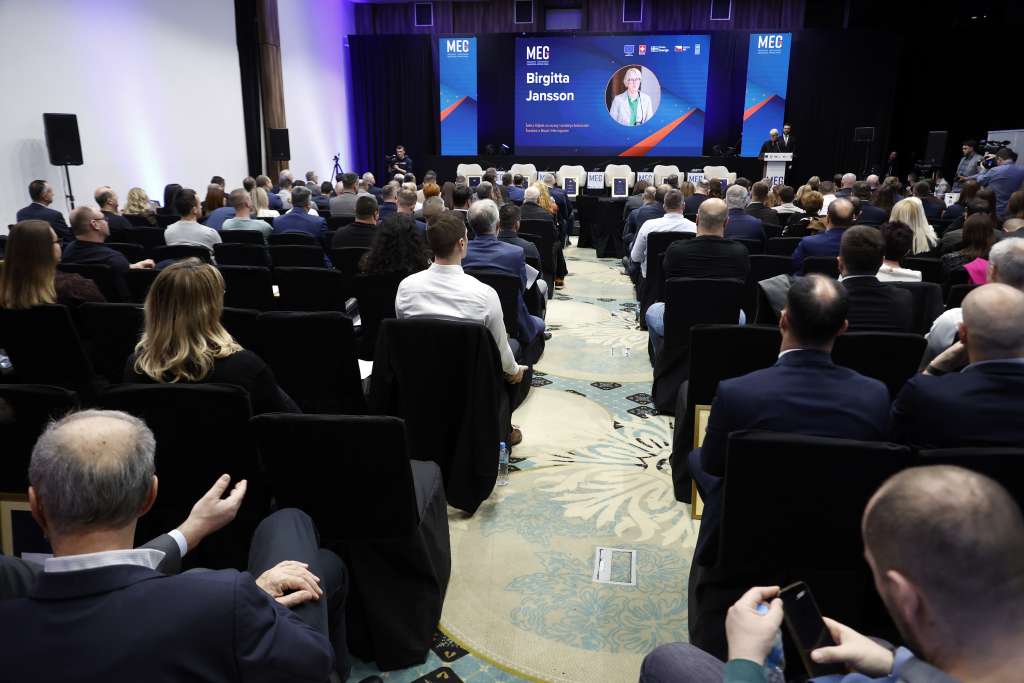
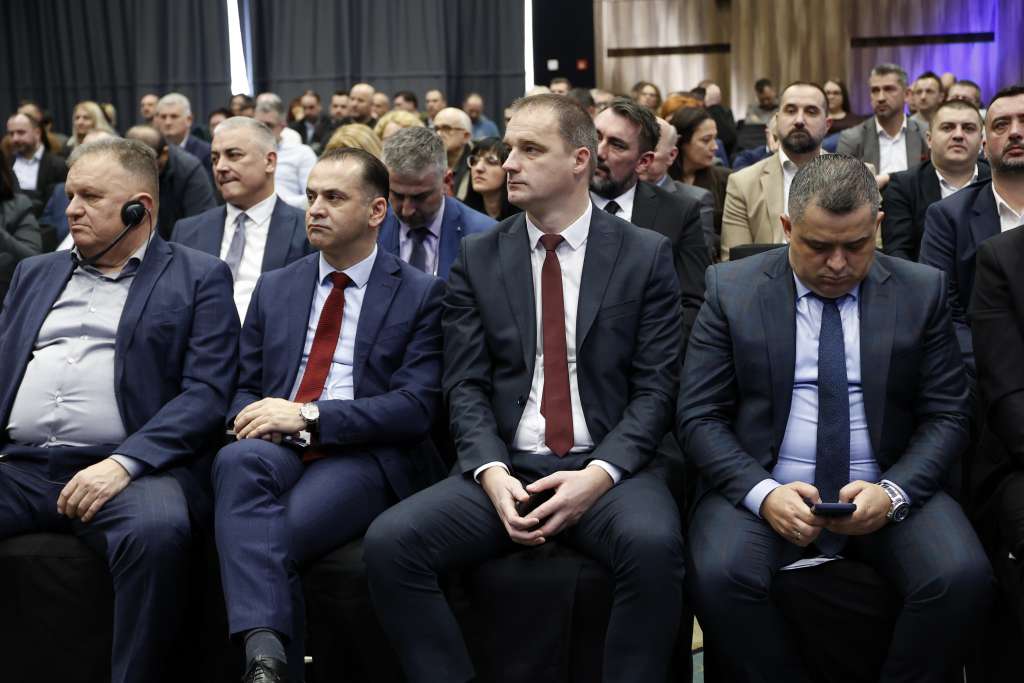
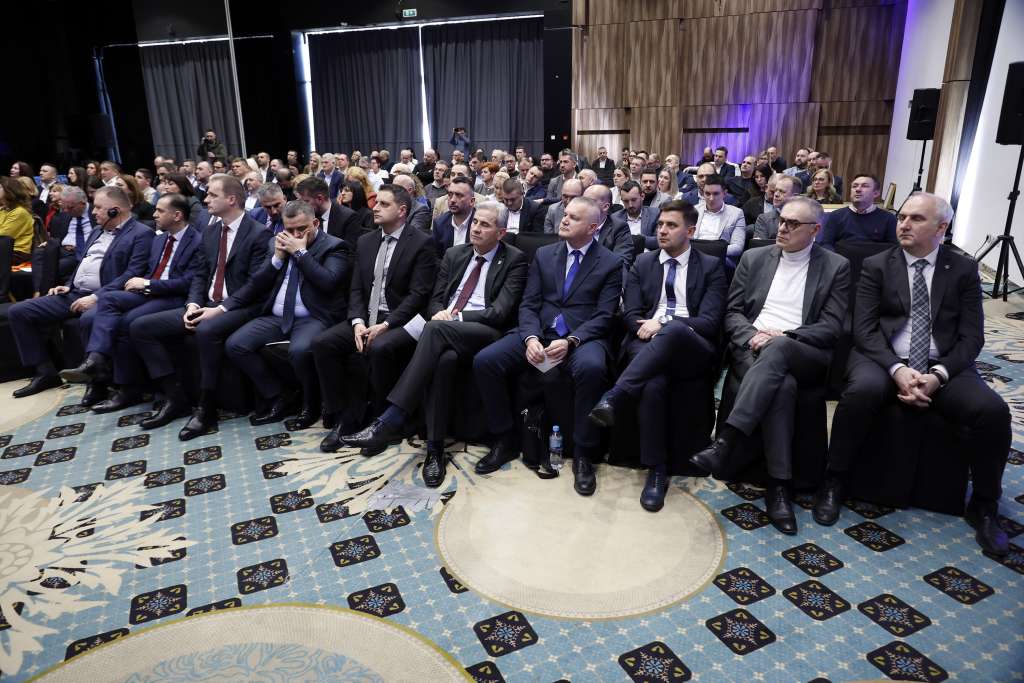
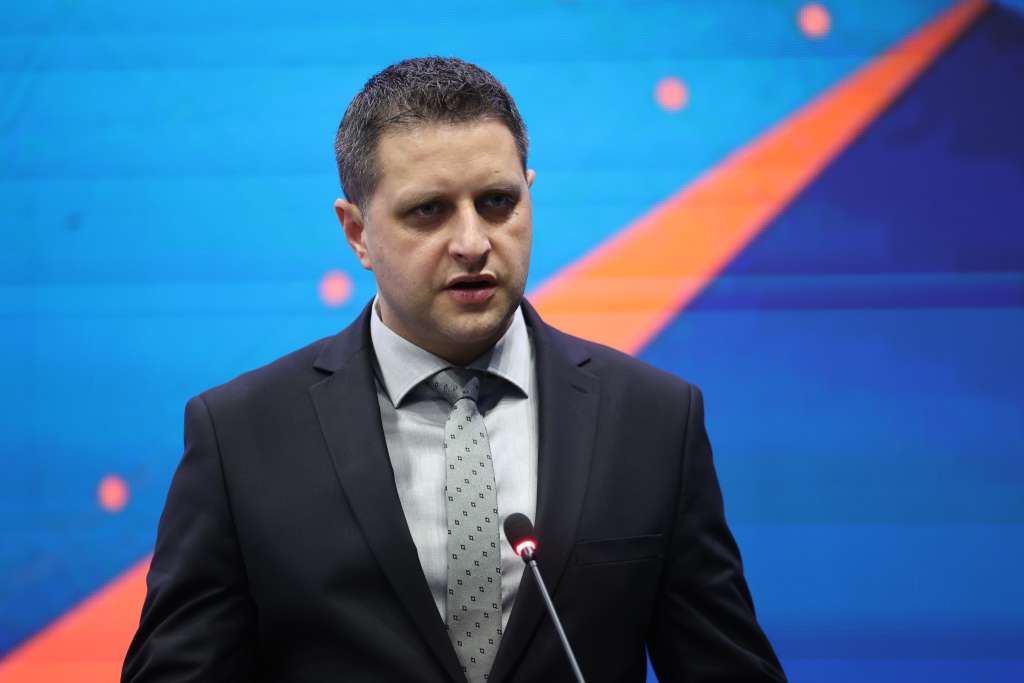
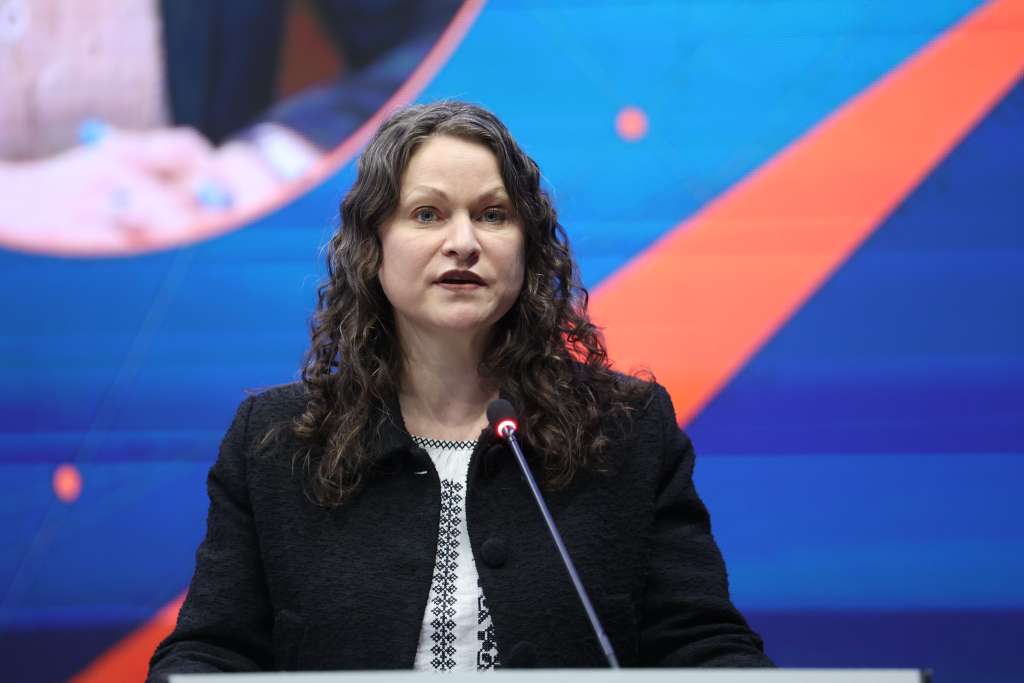
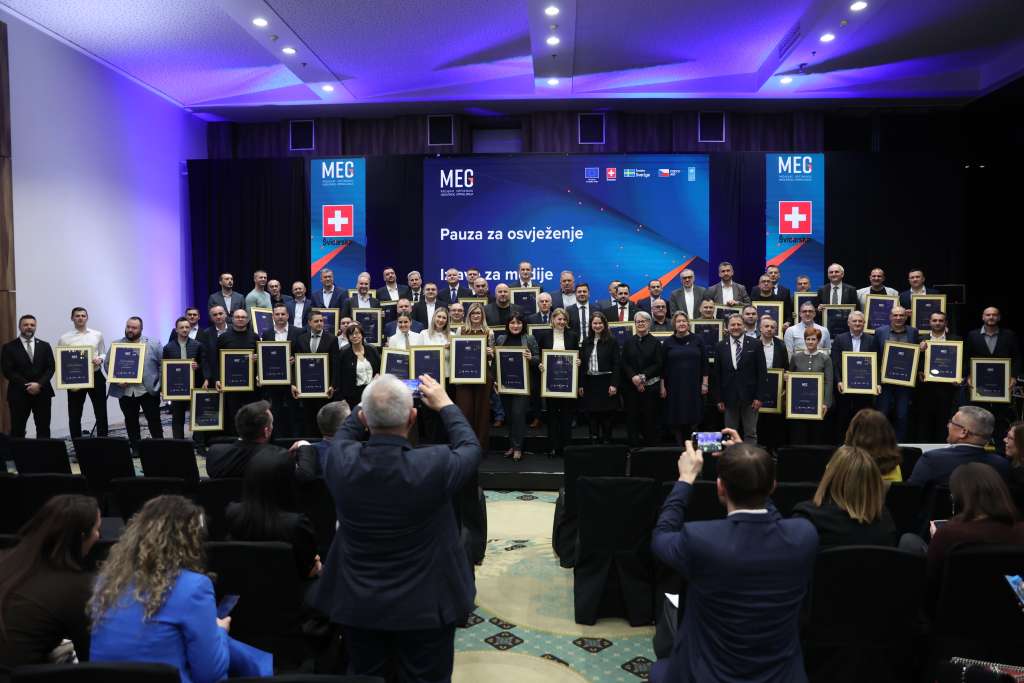
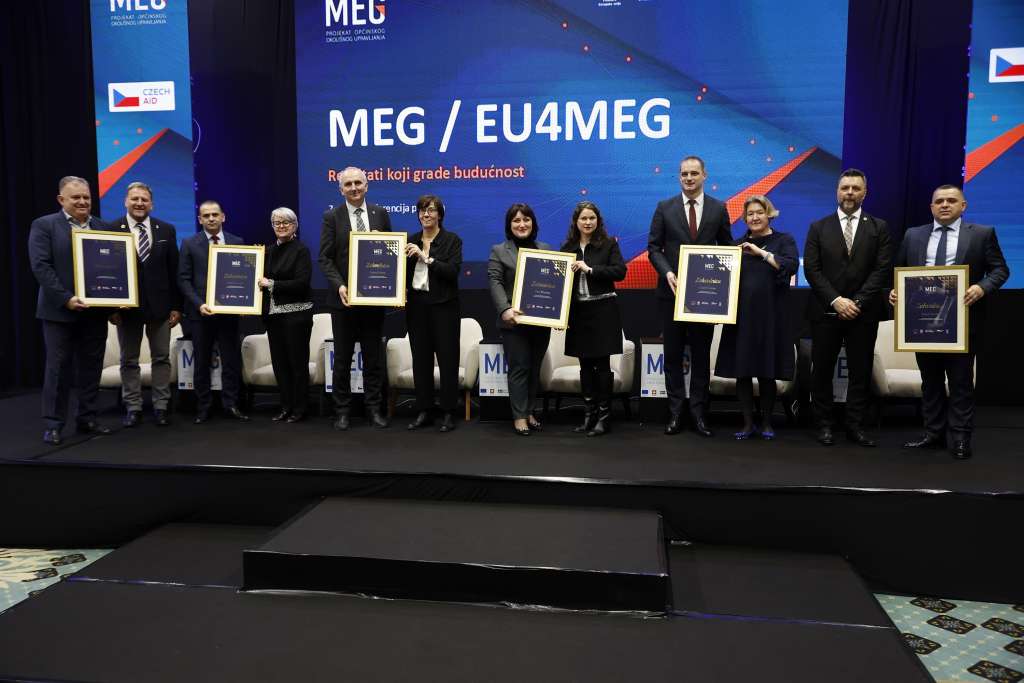
SARAJEVO, February 18 (FENA) – The final conference of the “MEG2/EU4MEG” project was held today in Sarajevo. The event presented the key results of the project and introduced the new “MEG3” project.
During a panel discussion, reforms in the water services sector and improvements in public administration from the users’ perspective were addressed.
The conference was attended by representatives of relevant ministries, international and domestic organizations, sectoral associations, public water companies, local authorities, and other relevant stakeholders.
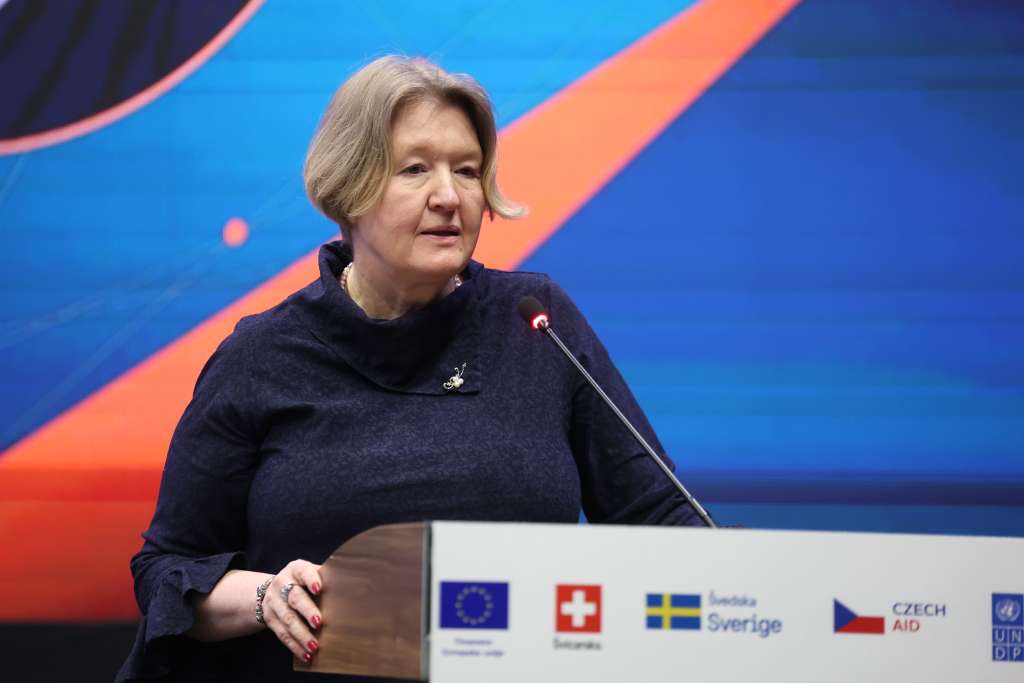
Magdalena Mueller Uri, Head of the Cooperation Department of the EU Delegation to BiH, stated that sustainable water services are crucial for public health, environmental protection, and are also part of the European Union accession process.
“The European Union’s support to the water sector in Bosnia and Herzegovina follows a dual approach. We invest in infrastructure to ensure safe and reliable water supply and wastewater treatment, while also supporting reforms to make these investments sustainable. Through the EU4MEG project, worth 1.9 million euros, together with our partners, we have strengthened legal and regulatory frameworks. We have also supported a system for monitoring the performance of water utilities and identifying areas needing improvement,” she said.
Mueller Uri noted that the EU has invested over 88 million euros in water management across Bosnia and Herzegovina, emphasizing that without quality management and cost recovery, these investments cannot produce lasting results.
She stressed that the next step is adopting and implementing the necessary legal framework to enable local authorities to improve water service outcomes.
“Future EU funding, including under the Western Balkans Growth Plan, will depend on credible implementation of reforms by the authorities in this country. Financially sustainable and EU-aligned water management is part of Bosnia and Herzegovina’s path toward EU membership. The European Union remains committed to supporting the country on this journey,” she concluded.
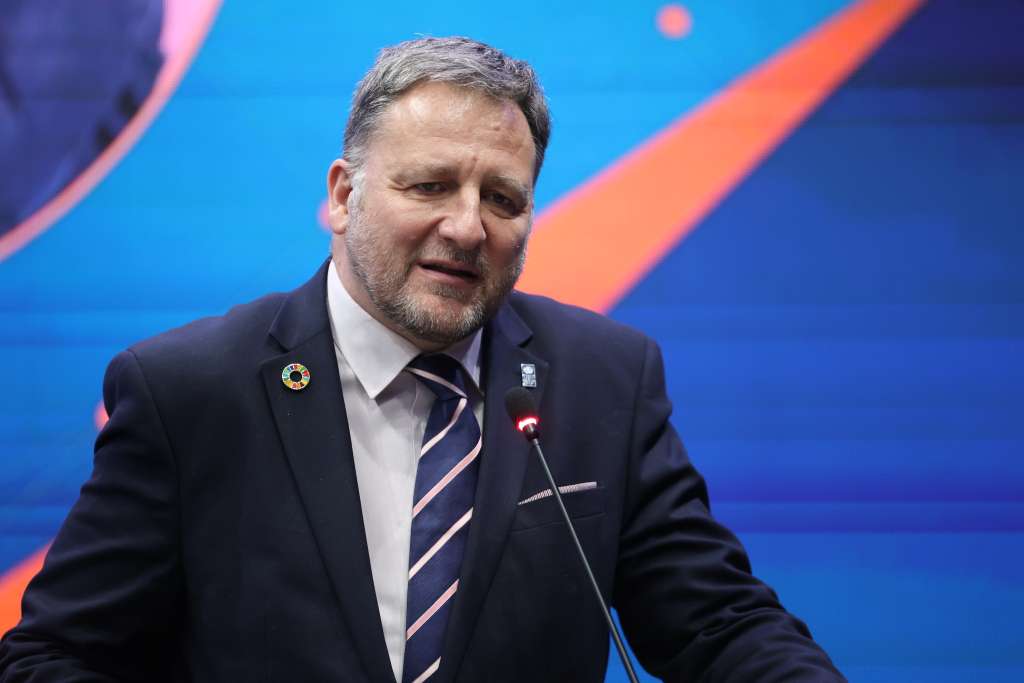
Renaud Meyer, UNDP BiH Resident Representative, highlighted that numerous municipalities across the country participated in the five-year “MEG2” project.
“There are mixed feelings – sadness that the project is ending, a project that mobilized many local and national partners to ensure that improved practices are incorporated into public policies. Yet we are encouraged by the continued support of our donors and the transition to the third and final phase of MEG, which will be extremely important as it will involve the actual transfer of ownership and leadership in water sector management to authorities in Bosnia and Herzegovina, both at the local and policy levels, as well as entity and state level,” Meyer said.
He added that investments in the water sector will continue and that efforts will focus on embedding good local governance practices into the delivery of one of the most essential services – clean drinking water, sanitation, and sewerage systems across the country.
“We also see water as an entry point for improving many other governance services that citizens need and are entitled to. This is a good example of integrating development programs and a bottom-up approach to development, and an opportunity to strengthen links and partnerships between UNDP and all municipal and city leaders in the country to continue delivering quality services to the citizens of Bosnia and Herzegovina,” he added.
Jana K. Lolić Šindelkova, Ambassador of the Czech Republic to Bosnia and Herzegovina, noted that BiH is one of the most water-rich countries in Europe, while the Czech Republic is not.
“Bosnia and Herzegovina ranks seventh in Europe in terms of water quantity, while the Czech Republic has nine times less water than BiH. That is why we are part of the water alliance, MEG, working with municipalities. We have solutions that are economically viable and practical for water management,” she explained.
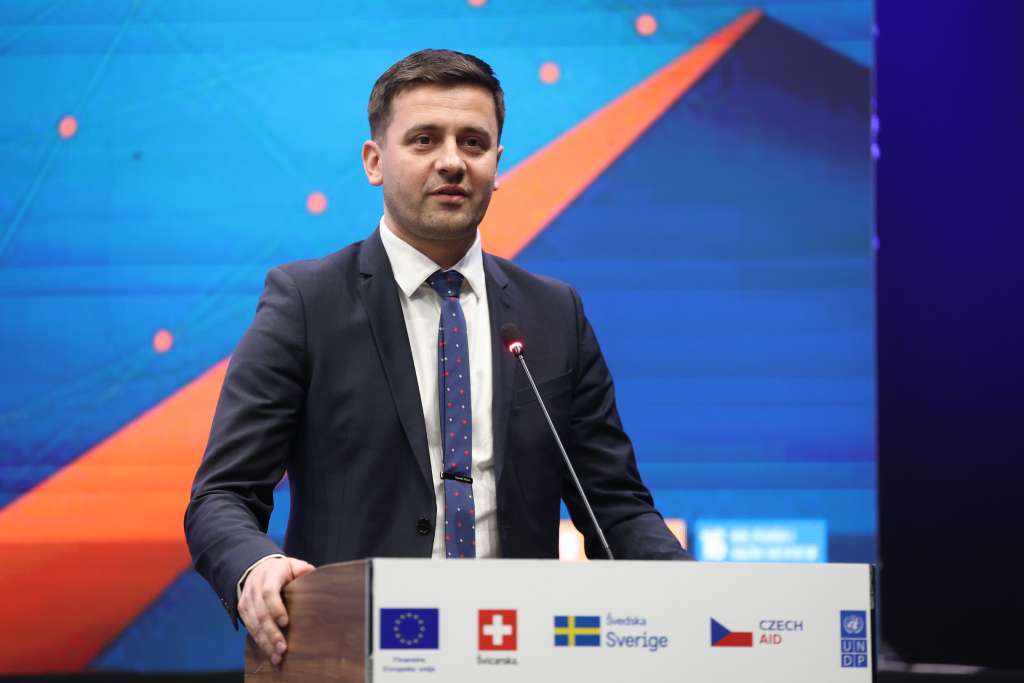
Mensur Seferović, Mayor of Sanski Most, said the MEG2 project represented a step for local governments toward more efficient, transparent, and inclusive administration.
“The project taught us that measurable results lead to better conditions in local government units. We have established a solid foundation for MEG3, and I believe we will all have the opportunity to implement everything envisaged by the project,” Seferović concluded.
The conference was organized by the Municipal Environmental Governance Project (MEG2), funded by the Governments of Switzerland, Sweden, and the Czech Republic, as well as the European Union in BiH, and implemented by the United Nations Development Programme (UNDP) in BiH.
(FENA) S. R.